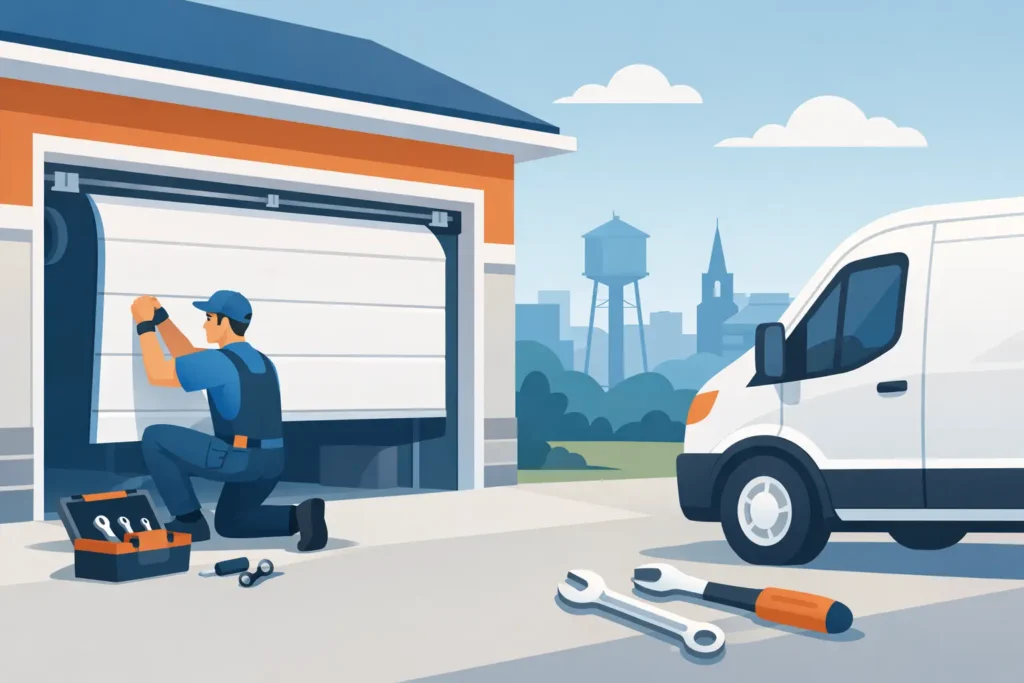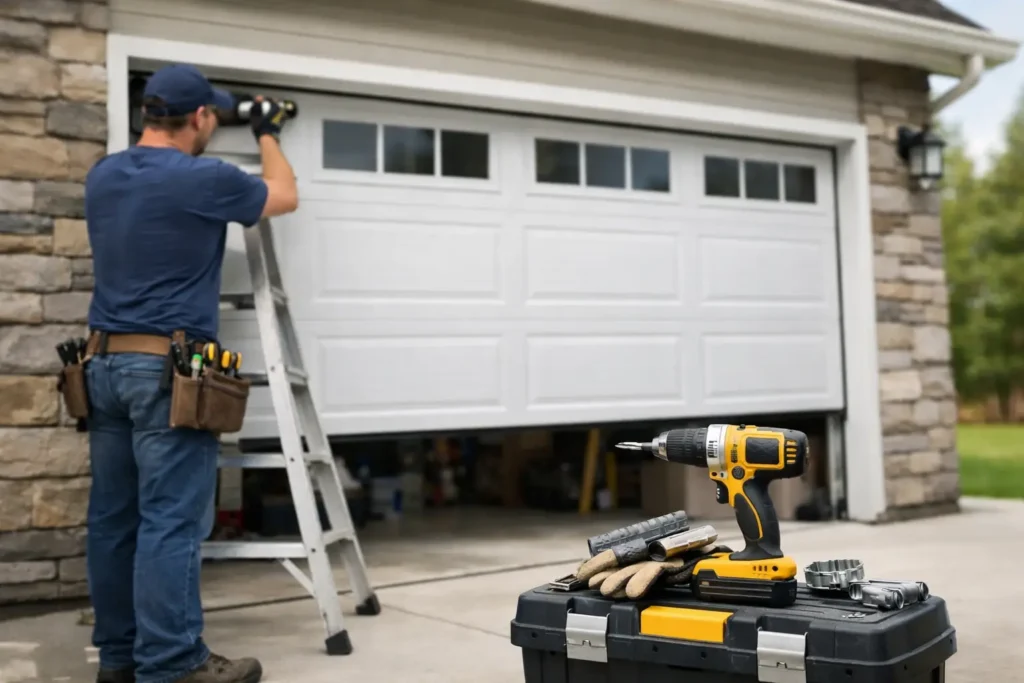
A garage door opener that shakes the ceiling, hesitates in cold weather, or reverses for no clear reason usually has one thing in common – it was never set up quite right. Garage door opener installation is not just about hanging a motor and plugging it in. The opener has to match the door, the safety systems have to be aligned, and the entire system has to be balanced well enough to work day after day without strain.
That matters more than most homeowners realize. A garage door is the largest moving part in your home, and the opener is only one piece of that system. If the springs are worn, the tracks are slightly out of alignment, or the door is heavier than the opener was designed to handle, even a brand-new unit can act unreliable. Good installation protects the opener, the door, and the people using it.
What garage door opener installation really includes
Many people picture opener installation as a simple swap. Sometimes it is. Often, it is not.
A proper installation starts with the door itself. Before any opener goes up, the door should open and close smoothly by hand. If it binds, slams shut, or feels unusually heavy, the problem is not the opener. Installing a new unit on top of those issues usually leads to early wear, noisy operation, and safety problems.
From there, the right mounting points matter. The header bracket, ceiling supports, rail assembly, and door arm all need to be secured correctly and positioned for the door’s travel. The photo eyes need to be mounted at the correct height and aligned precisely. Then the opener settings have to be dialed in so the open force, close force, and travel limits are correct for that specific door.
Those final adjustments are where a lot of problems start. If the limits are off, the door may not fully close. If the force is set too high, the opener can push against an obstruction longer than it should. If the force is too low, the door may reverse for no obvious reason. The difference between a clean install and a frustrating one usually comes down to those details.
Choosing the right opener for the door
Not every opener fits every garage. This is one of the biggest reasons homeowners end up disappointed after a replacement.
Chain-drive openers are dependable and common, but they tend to be louder. Belt-drive models are quieter and usually a better fit when there is living space above or beside the garage. Wall-mount openers can be a smart option when overhead space is limited or when a cleaner ceiling layout is preferred. They also remove the center rail, which some homeowners like for storage or lighting.
Horsepower matters too, but more power is not automatically better. A standard residential door often works well with a properly selected opener if the door is balanced and in good condition. Heavier insulated doors, oversized doors, and some wood doors may require a stronger unit or a different opener style. The goal is not to overpower a bad door. The goal is to pair the opener with a door system that already operates correctly.
In Ohio, weather also plays a role. Cold temperatures can stiffen rollers, affect grease, and expose weaknesses in older doors. That is why opener selection and setup should account for real operating conditions, not just the label on the box.
Why a balanced door matters before installation
This is the part many installers skip and experienced technicians do not. The opener is not supposed to lift the full weight of the door by itself. The springs do most of that work.
If the springs are properly adjusted, the door should feel relatively controlled by hand and should not crash down or fly upward. If it does either, the opener will be forced to compensate. That extra strain shortens the life of the motor, gears, rail components, and even the door sections.
This is also where safety becomes serious. Torsion and extension springs are under high tension. They are not a casual DIY adjustment. If a spring issue is found during garage door opener installation, that needs to be corrected before the opener is relied on.
A good installer looks at the entire system, not just the machine being replaced. That saves homeowners from the common cycle of replacing parts without solving the real problem.
Common installation mistakes that cause callbacks
Most opener issues after installation are not factory defects. They come from setup errors.
Improper support is a common one. If the opener is hanging from weak straps or mounted without enough rigidity, vibration increases and parts loosen over time. Rail misalignment can create jerky movement and added noise. A poorly attached door bracket can damage the top section of the door, especially on lighter insulated models.
Another frequent issue is photo-eye placement. If the sensors are too high, too low, slightly twisted, or exposed to constant disruption, the door may refuse to close unless the wall button is held down. Homeowners often assume the opener is failing when the problem is simply bad sensor installation.
Wiring mistakes also create trouble. Loose low-voltage connections, poorly routed wires, or sloppy wall-control placement can lead to intermittent operation that is hard to diagnose later.
Then there is programming. Travel limits and force settings should never be guessed. Modern openers have safety standards for a reason. When those settings are rushed, the system may work for a day and fail after normal use begins.
When DIY installation makes less sense
Some homeowners are comfortable with tools and basic assembly. There is nothing wrong with that. But garage door opener installation has more risk than people expect.
The opener itself may be straightforward to assemble. What gets complicated is identifying whether the door is actually ready for an opener, reinforcing the top section correctly, mounting the unit securely, and verifying that the reversal system works exactly as it should. Add an older door, high ceilings, existing wiring problems, or signs of spring wear, and the job changes fast.
For property managers and small commercial owners, reliability usually matters more than the satisfaction of doing it yourself. If the garage serves multiple tenants, stores equipment, or affects daily access, a failed installation creates more disruption than it saves.
That is why many customers call for professional service even when they already have the opener on site. They want the system checked as a whole, installed safely, and adjusted correctly the first time.
What professional installation should give you
A professional opener install should leave you with more than a running motor. It should leave you with confidence.
That means the door moves smoothly, the opener is mounted securely, the safety sensors are working, and the limits are set so the door seals properly without overdriving into the floor. It also means the remotes, keypad, and wall controls are programmed correctly and the homeowner understands how to use the lock, light, and emergency release features.
Just as important, a trained technician should spot related issues before they become bigger ones. Worn rollers, damaged hinges, frayed cables, and weak springs all affect opener performance. Catching those issues early is part of doing the job right.
For homeowners in places like Wapakoneta and nearby communities, that local experience matters. Seasonal temperature swings, moisture, and daily use patterns all affect garage door systems differently than a controlled showroom environment. An opener that is installed with real Midwest conditions in mind is more likely to stay dependable.
Signs it may be time for a new opener instead of another repair
Sometimes the issue is not installation at all. It is that the existing opener has reached the point where replacing it makes more sense.
If the unit is unusually loud, inconsistent, slow to respond, or missing modern safety features, replacement is often the better long-term move. The same goes for openers with outdated parts that are getting harder to service. A new opener can improve reliability, reduce noise, and offer features like battery backup, smartphone control, and stronger safety monitoring.
That said, not every noisy opener is worn out. Sometimes the real issue is a door that needs service, not a motor that needs replacement. That is why a proper inspection matters before recommending a new unit.
The best results come from treating the opener as part of the system
Garage doors do not operate on one part alone. The opener, springs, rollers, tracks, panels, and hardware all depend on each other. When one piece is ignored, the rest of the system pays for it.
That is the real value of careful garage door opener installation. It is not just getting the door to move. It is making sure the entire system is safe, dependable, and ready for daily use without guesswork.
If your current opener is unreliable, if your new unit is sitting in the box, or if your door has started acting differently after a replacement, trust your instincts. A garage door system usually gives warning signs before it becomes a bigger problem, and dealing with those signs early is almost always the safer move.