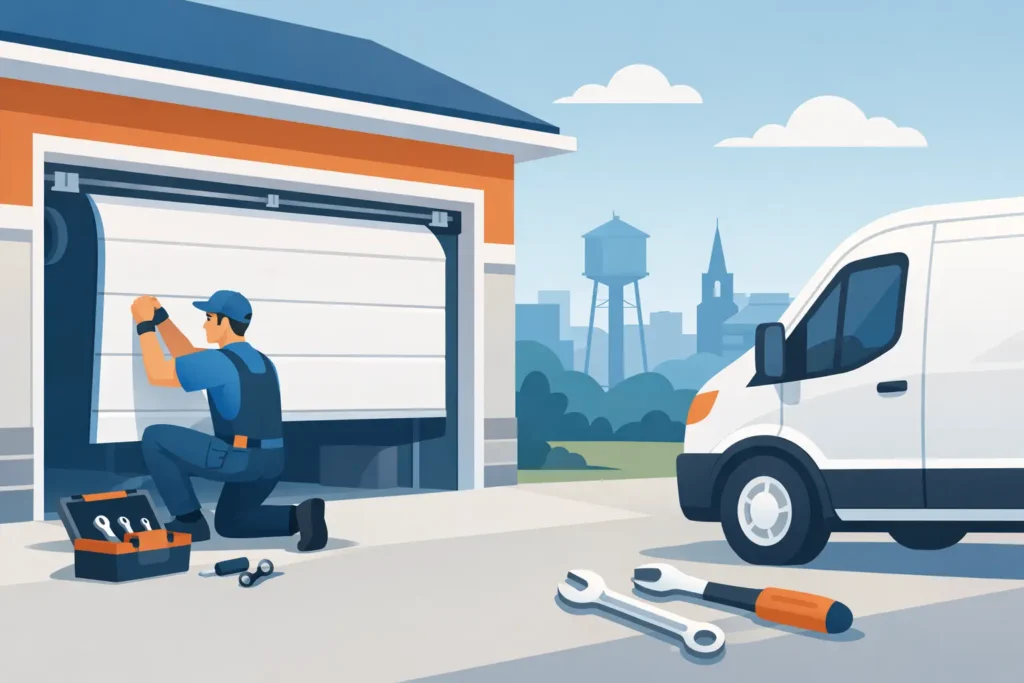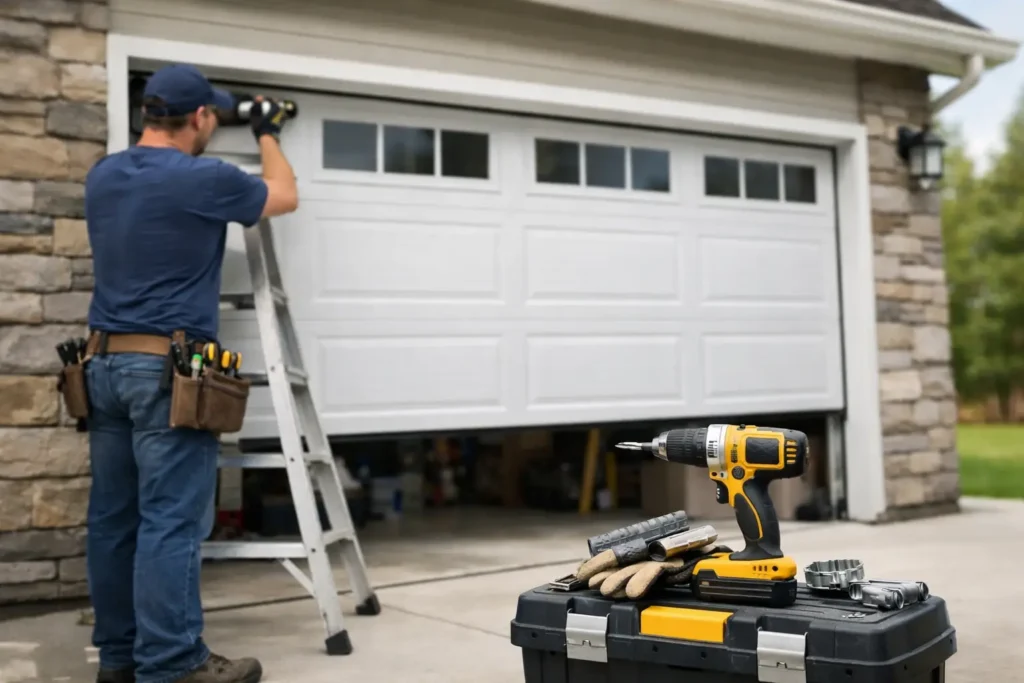
A garage door can look normal right up until it fails. A worn spring may break without warning, a door can come off its track after a hard impact, and an opener with poorly aligned safety sensors may close when it should reverse. That is why garage door safety trends 2026 are less about flashy features and more about preventing the failures that put people, vehicles, and property at risk.
For homeowners, property managers, and small businesses, the safest system is one that combines reliable mechanical parts with properly tested safety technology. Smart controls can help, but they do not replace a balanced door, secure cables, and a professional inspection when something changes.
Garage Door Safety Trends 2026 Homeowners Should Know
The biggest shift is toward early detection. Rather than waiting for a door to stop working completely, more owners are using opener alerts, scheduled inspections, and visual checks to catch trouble sooner. This matters because most dangerous garage door issues begin as smaller symptoms: a new grinding sound, a door that jerks while moving, a gap at the bottom, or an opener that strains to lift the door.
Safety is also becoming more system-focused. A garage door is not just the door panel or the opener. It is a connected system of springs, cables, rollers, tracks, hinges, brackets, sensors, and controls. Replacing one worn component may solve a short-term problem, but a qualified technician should determine whether related parts have been stressed as well.
Smart openers are becoming practical safety tools
Connected garage door openers continue to become more common in 2026. Their value is not simply opening the door from a phone. When used correctly, they can notify an owner when a door has been left open, show activity history, and allow a property manager to verify that a shared garage is secured.
That can be useful for families with teenagers, rental properties, detached garages, and small commercial buildings. An open garage door is an easy access point, especially when the garage connects directly to the home.
There is a trade-off. App-based controls depend on a stable internet connection, correct account setup, and strong passwords. Homeowners should remove access for former tenants, contractors, or anyone who no longer needs it. Smart features should support basic safety habits, not create a false sense of security.
Battery backup is moving from convenience to preparedness
A power outage can leave a garage door trapped in the closed position or create an emergency access problem. Openers with battery backup allow the door to operate for a limited period when household power is unavailable.
This is particularly practical in west-central Ohio, where storms, high winds, and winter weather can interrupt power at inconvenient times. Battery backup does not make a damaged door safe to operate, however. If the door is crooked, hanging from one side, or the opener is struggling, do not keep running it during an outage or after power returns. The underlying mechanical issue needs attention first.
Better obstruction protection still depends on testing
Modern residential openers use photo-eye sensors near the bottom of the tracks and a force-reversal system to help prevent the door from closing on an obstruction. These features are essential, but they only work when they are aligned, clean, and functioning correctly.
A quick monthly test is one of the most useful safety habits a homeowner can have. With the door open, place a solid object such as a piece of lumber flat on the floor in the door’s path. Close the door using the wall control. The door should reverse when it contacts the object. Then test the photo eyes by starting the door downward and passing an object through the sensor beam. The door should stop and reverse.
If either test fails, stop using the automatic function and arrange professional opener service. Never bypass the sensors, tape them out of the way, or raise the opener force setting to make a problem disappear. Those shortcuts can turn a repair issue into an injury risk.
Mechanical Safety Is Still the Priority
Technology gets attention, but springs and cables remain among the most dangerous parts of any garage door system. Torsion springs are under extreme tension. Cables can snap or come loose when a spring breaks, when a door is hit, or when track and roller problems force the door out of alignment.
A broken spring often sounds like a loud bang from inside the garage. Other warning signs include a door that only rises a few inches, an opener that hums without lifting, or a door that suddenly feels extremely heavy. Do not attempt to lift a heavy door alone or remove spring hardware yourself. Keep people clear, disconnect the opener only if it is safe to do so, and call a trained garage door technician.
Modern safety-focused upgrades may include enclosed or better-contained spring configurations, heavier-duty cables where appropriate, and replacement rollers that provide smoother travel. The right choice depends on the door’s weight, size, usage level, and existing hardware. A light single-car door and a frequently used insulated double door do not place the same demands on their components.
Reinforced doors and wind resistance deserve attention
Door strength is another safety consideration, especially for older doors with damaged sections, loose struts, rusted hinges, or cracked panels. A weakened door may flex excessively during operation and can be more vulnerable in high winds.
Replacement doors can offer improved reinforcement, stronger track systems, and more dependable hardware. That does not mean every older door needs to be replaced. If the door is structurally sound, a targeted panel, hinge, roller, or track repair may be the sensible solution. If several sections are deteriorating or the door no longer operates safely with available replacement parts, a full replacement is often the more dependable long-term path.
Safety Habits That Prevent Emergency Calls
Most safety problems give warning signs before they become urgent. Homeowners do not need to perform repairs, but they should know what to watch for. A door should move steadily without shaking, scraping, or slamming. It should close evenly against the floor, and the opener should not sound strained or repeatedly reverse for no clear reason.
Pay attention after seasonal temperature changes as well. Cold weather can stiffen lubricants, affect batteries, and expose worn rollers or aging springs. Moisture can also contribute to rust on tracks, hardware, and bottom brackets. In Lima, Wapakoneta, and nearby communities, a basic seasonal inspection is a practical way to spot weather-related wear before it causes a breakdown.
Keep the remote controls away from children, and teach family members that a moving garage door is not something to race under. Never stand or walk beneath a door that is partially open. If a door will not fully open, do not force it with the opener. For commercial properties, make sure employees understand who is authorized to operate the door and where the emergency release is located.
When to Call a Professional Immediately
Some issues should not wait for a convenient weekend. Arrange same-day service when a spring is broken, a cable is loose or off its drum, the door has come off track, the bottom bracket is damaged, or the door will not close securely. These conditions can worsen quickly if the opener continues pulling against the problem.
A professional inspection is also the right call when the door becomes noticeably louder, starts binding, reverses unpredictably, or has been struck by a vehicle. Certified technicians can assess the full system, correct the cause instead of the symptom, and test the door’s balance, travel limits, sensors, and safety reversal before returning it to service.
The best safety upgrade may be a new opener, reinforced hardware, or a replacement door. Sometimes it is simply correcting a worn roller, sensor alignment issue, or failing spring before it creates a larger hazard. Treat a change in your garage door’s movement as useful information, not something to ignore. A quick professional check today can keep a routine entrance from becoming the weakest point in your property tomorrow.