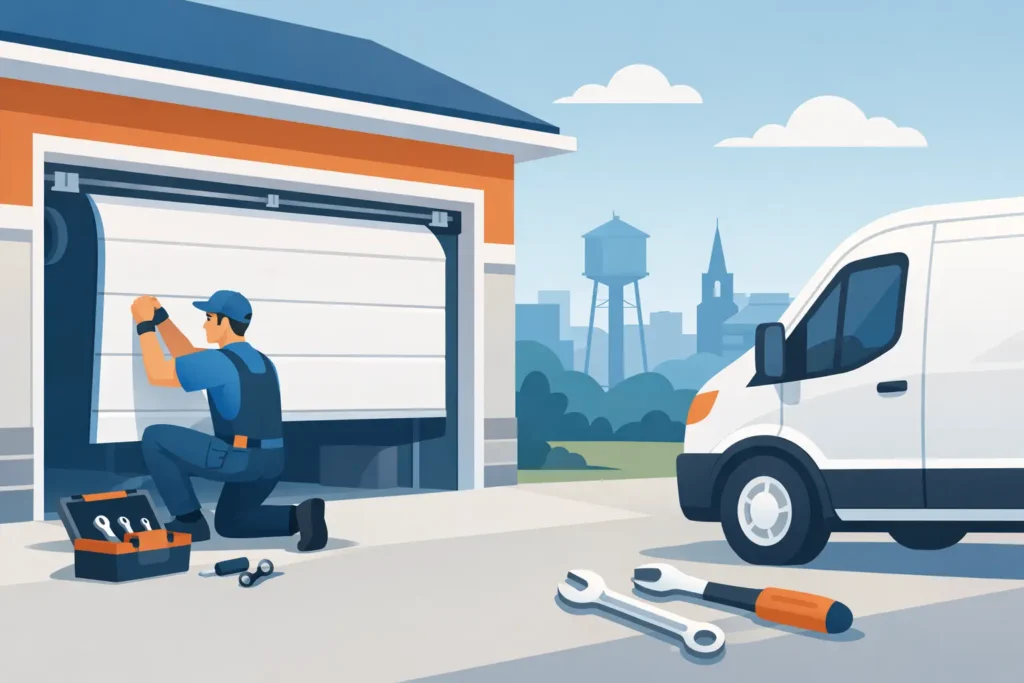
A smart garage door opener setup sounds simple until the app connects, the motor runs, and the door still does not move the way it should. That usually means the technology is not the real problem. The door system itself is.
For homeowners, a smart opener can be a real upgrade. You can check whether the door is open, close it from your phone, get alerts, and manage access without handing out remotes. But if the door is heavy, out of balance, noisy, or slow in cold weather, adding smart controls does not fix those mechanical issues. It just puts a new layer of convenience on top of an old problem.
What a smart opener actually changes
A traditional opener gives you basic function. A smart opener adds control, visibility, and remote access. Depending on the model, that can include phone app control, voice assistant compatibility, scheduling, activity alerts, and temporary guest access.
That matters most for busy households, rental properties, and small commercial spaces where people come and go on different schedules. It also helps if you have ever left home wondering whether the garage door is still open. Instead of turning the car around, you check the app.
Still, the opener is only one part of the system. The tracks, rollers, springs, cables, safety sensors, and door sections all affect how well the opener performs. If one of those parts is worn or misaligned, the smart features may work perfectly while the door itself remains unreliable.
Smart garage door opener setup starts with the door
Before you think about Wi-Fi, apps, or account pairing, the first question is whether the door is in good working order. A smart opener depends on a door that opens and closes smoothly, stays aligned in the tracks, and has properly adjusted spring tension.
A quick homeowner check can tell you a lot. If the door jerks, slams, reverses for no clear reason, or sounds louder than usual, that is a red flag. If it feels unusually heavy when operated manually, stop there. A heavy door often points to a spring issue, and springs are not a DIY item.
This is where many setups go off track. People assume the old opener is the problem because the door does not move right. In reality, the opener may be struggling against a door that needs service first. Installing a new smart model on a failing system can shorten opener life and create safety risks.
Choosing the right type of smart opener
Not every smart opener is the same, and not every garage needs the same solution. Some systems are full replacement openers with built-in Wi-Fi. Others are add-on smart controllers that connect to an existing opener.
A built-in smart opener is usually the cleaner long-term option if your current unit is older, underpowered, or missing modern safety features. You get a fresh motor, updated electronics, and one integrated system. An add-on controller can make sense if the current opener is newer, mechanically sound, and compatible.
Drive type matters too. Chain-drive units are durable and common, but they tend to be louder. Belt-drive openers are quieter, which is a big plus if there is a bedroom above the garage. Wall-mount models save overhead space and can be a strong fit in garages with high or unusual ceilings, but they require the right door and side clearance.
The best setup depends on the door size, weight, daily usage, and garage layout. A single-car door with light use has different demands than a double door that cycles several times a day.
What to check before installation
A smart garage door opener setup goes smoother when a few basics are handled first. The opener needs reliable power, a stable Wi-Fi signal in the garage, and a door system that is already working correctly.
Wi-Fi is one of the biggest overlooked issues. A phone may show decent signal in the kitchen, but garages often sit at the edge of coverage. Brick walls, detached structures, and distance from the router can all weaken the connection. If the signal is weak, app controls may lag or disconnect. In some homes, improving the network in the garage is part of the job.
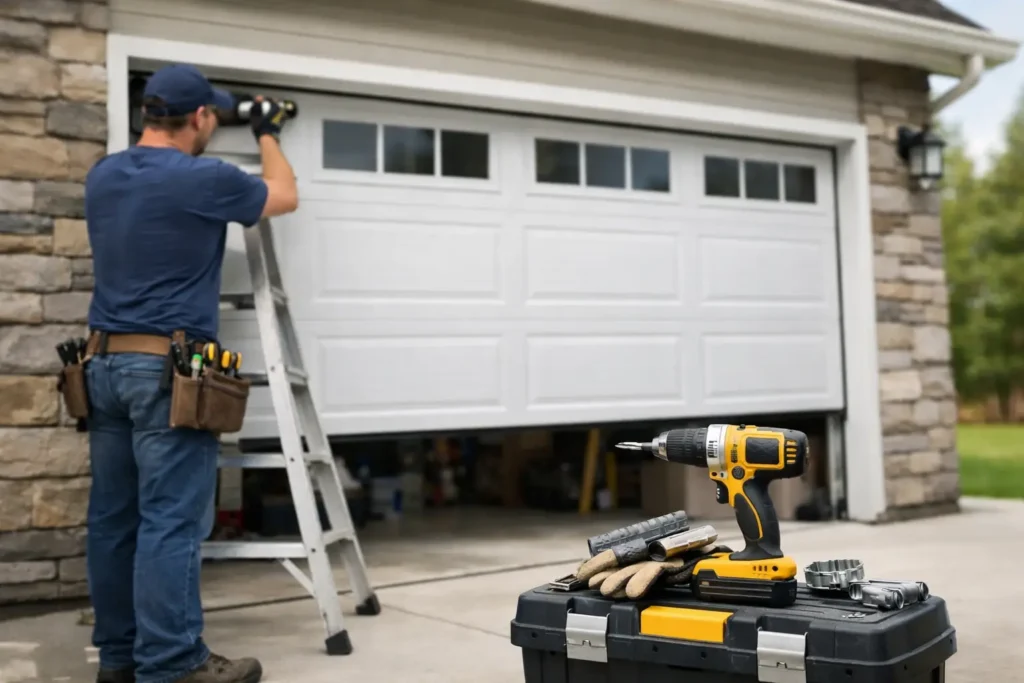
You also need proper sensor placement. Photo-eye safety sensors should be aligned, clean, and mounted correctly. If they are bumped out of position or blocked by dust, storage items, or spider webs, the door may refuse to close from the app or remote. That is not a software glitch. It is the safety system doing its job.
If the existing opener bracket, header support, or rail mounting is loose, installation should pause until those issues are corrected. A smart opener cannot perform well if the hardware anchoring it is not solid.
The most common setup mistakes
The biggest mistake is treating opener installation like a pure electronics project. It is partly electrical and digital, but it is also mechanical. The opener has to be matched to the door, installed correctly, and adjusted with the right travel limits and force settings.
Another common issue is skipping door balance testing. An opener is meant to guide the door, not dead-lift it. If spring tension is off, the opener works harder than it should. That leads to strain, inconsistent movement, and premature wear.
Homeowners also run into trouble during app setup when they rush through compatibility steps. Some smart systems work only with specific opener brands, learn buttons, or frequency ranges. Others require a separate hub. Reading that after the unit is mounted is frustrating.
Then there is the weather factor. In Ohio, cold snaps can expose small problems fast. Lubricants thicken, metal contracts, and doors with marginal balance or worn rollers often get noisier and less predictable in winter. A smart system can send alerts, but it cannot compensate for a door that is binding in freezing temperatures.
When DIY makes sense and when it does not
Some homeowners are comfortable installing a smart controller on a newer opener that already works well. If the unit is compatible, the Wi-Fi is strong, and the door system is in good condition, a basic add-on device may be manageable.
A full opener replacement is different. That job involves mounting hardware, rail assembly, wiring, safety sensor alignment, travel adjustments, force settings, and testing the full reversal system. If the door has any spring, cable, track, or balance issue, the job moves out of DIY territory quickly.
The line is simple. If your garage door is not operating smoothly before the smart upgrade, do not guess your way through it. Get the door inspected and corrected first. That protects the opener, the door, and the people using it.
Why professional setup often saves time
A professionally installed smart opener should do more than turn on and connect to your phone. It should open consistently, close safely, and respond the same way every day. That takes more than mounting the motor and downloading an app.
Experienced garage door technicians look at the whole system. They check door balance, spring performance, track condition, roller wear, sensor alignment, and opener settings. They also catch compatibility issues early, which matters when homeowners are trying to pair older doors with newer control systems.
For local properties, that practical experience matters. Garages in this region deal with humidity, freezing temperatures, and seasonal expansion and contraction. Those conditions can affect alignment, lubrication, and opener strain over time. A setup that looks fine on day one can become unreliable fast if the underlying door system is already near its limit.
What to expect after setup
Once installed correctly, a smart opener should make garage access easier without becoming another thing to troubleshoot. You should be able to check door status remotely, receive notifications, and control access for family members or service providers without confusion.
You should also expect to maintain it. Smart features do not replace routine care. Rollers still wear out, sensors still need cleaning, and moving parts still need proper lubrication. If the app starts showing repeated interruptions or the opener sounds strained, pay attention early. Small issues are easier to fix before they turn into a stuck or unsafe door.
If you are planning a smart garage door opener setup, the smartest move is making sure the door itself is ready for it. The technology is useful, but reliability starts with the mechanical side. When both pieces are handled correctly, you get the convenience you want and the dependable operation you actually need.