A garage door usually does not fail at a convenient time. It starts with a door that shakes on the way up, sticks in cold weather, slams shut harder than it should, or leaves you wondering whether it is safe to use one more day. This garage door replacement guide is built for homeowners who want a clear answer before a small problem turns into a major inconvenience.
Replacing a garage door is not just about looks. It affects daily access, home security, energy performance, and the safety of everyone using that opening. For many households, the garage door is the largest moving system on the property. When it is worn out, damaged, or no longer operating reliably, replacement is often the smarter long-term choice than repeated patchwork repairs.
When repair stops making sense
Some garage door issues can be fixed quickly. A misaligned sensor, worn rollers, a damaged weather seal, or an opener adjustment may not require a full replacement. But there is a point where continued repair becomes a gamble.
If the door has widespread rust, cracking, delamination, bent sections, or repeated balance problems, the structure itself may be compromised. The same goes for older doors that have outdated hardware, poor insulation, or panels that are no longer available. In those cases, replacing one part may solve today’s symptom without fixing the real weakness in the system.
Storm damage is another common tipping point. A door that took a hit from wind, debris, or accidental impact may still open, but that does not mean it is sound. Tracks can shift, hinges can strain, and the door can become unpredictable under normal use. If the door is no longer square or the panels are buckling, replacement is often the safer move.
A practical garage door replacement guide for the right decision
The best replacement decision starts with the condition of the full system, not just the panel you can see from the driveway. A garage door works as a connected assembly. The door sections, springs, tracks, cables, rollers, opener, and safety sensors all affect one another.
That is why a proper evaluation matters. A homeowner might notice cosmetic wear, while a trained technician may see spring fatigue, track distortion, or opener strain caused by the door’s weight. Replacing the door without addressing worn supporting parts can shorten the life of the new installation. On the other hand, replacing every component when some are still in good shape is not always necessary. It depends on age, compatibility, and condition.
For homes in Ohio, weather also matters more than many people realize. Freeze-thaw cycles, wind, humidity, and road salt exposure can speed up corrosion and make older doors less reliable. Insulation, bottom seal performance, and material durability should all be part of the conversation if your garage is attached to the house or used for storage, work, or frequent entry.
Choosing the right type of replacement door
Not every replacement door fits every property. The right option depends on how you use the garage, how much durability you need, and what kind of maintenance you are willing to deal with over time.
Steel doors are a common choice because they are durable, versatile, and available in many styles. They work well for many homes and can be a strong fit for homeowners who want a balance of appearance and performance. Insulated steel doors are especially useful when temperature swings are a concern.
Wood doors offer a classic look and strong curb appeal, but they require more upkeep. If appearance is the top priority and the owner is committed to maintenance, wood can be a solid option. If low maintenance is the goal, steel or composite may be a better fit.
Aluminum and glass doors can create a clean, modern look, especially on updated homes or certain commercial properties. They are not the right choice for every neighborhood or use case, but they can work well when style and natural light are priorities.
Insulation deserves more attention than it usually gets. If the garage shares a wall with living space, sits below a bedroom, or serves as a workshop, insulation can help with comfort and noise control. If the garage is detached and used mainly for parking, insulation may matter less. Again, it depends on how the space functions day to day.
What to look for beyond appearance
Curb appeal matters, but it should not be the only factor. A new garage door should also improve safety and reliability.
Start with construction quality. Heavier-gauge materials, reinforced sections, durable hinges, and quality rollers tend to hold up better under daily use. Wind resistance may also be worth discussing depending on exposure and local conditions.
Then consider the opener. A new door can change the weight and balance demands on the existing motor. Sometimes the opener is still compatible and in good shape. Sometimes it is undersized, aging, or missing modern safety features. If the opener struggles with the current door, installing a new door alone may not solve the issue.
Noise is another factor homeowners often mention after replacement. A properly installed door with quality rollers and correct spring tension should move more smoothly and with less vibration. That can make a noticeable difference if there is a bedroom above the garage or if family members leave early and return late.
Why professional installation matters
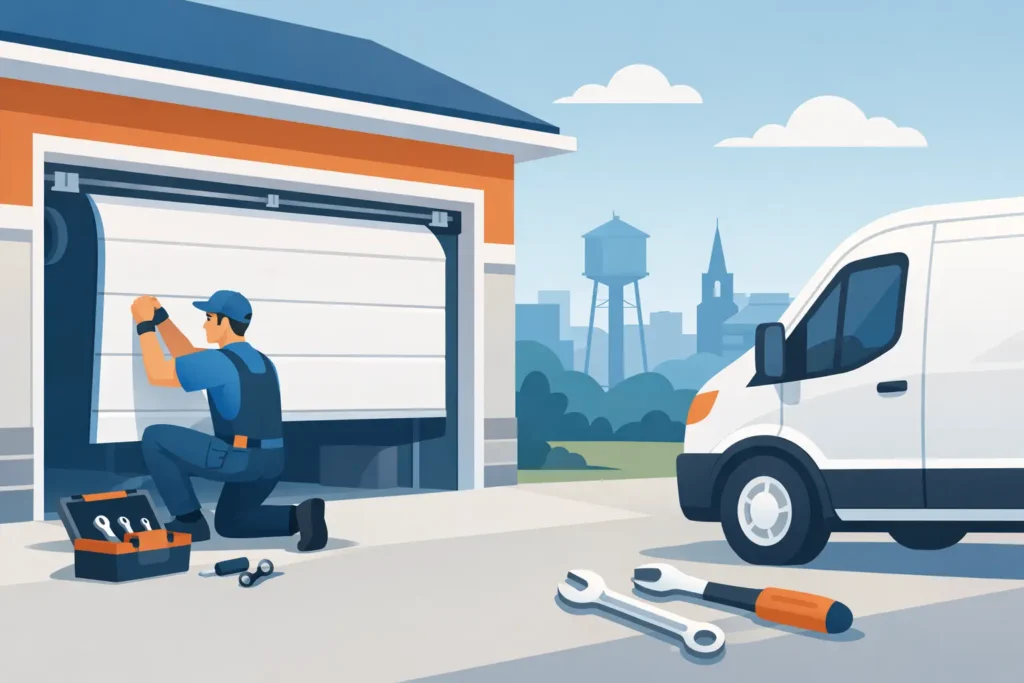
Garage door replacement is not a simple swap. The system uses high-tension springs and heavy moving parts that can cause serious injury if handled incorrectly. Even a door that looks straightforward from the outside can become dangerous during removal or setup if the balance is off or hardware is installed improperly.
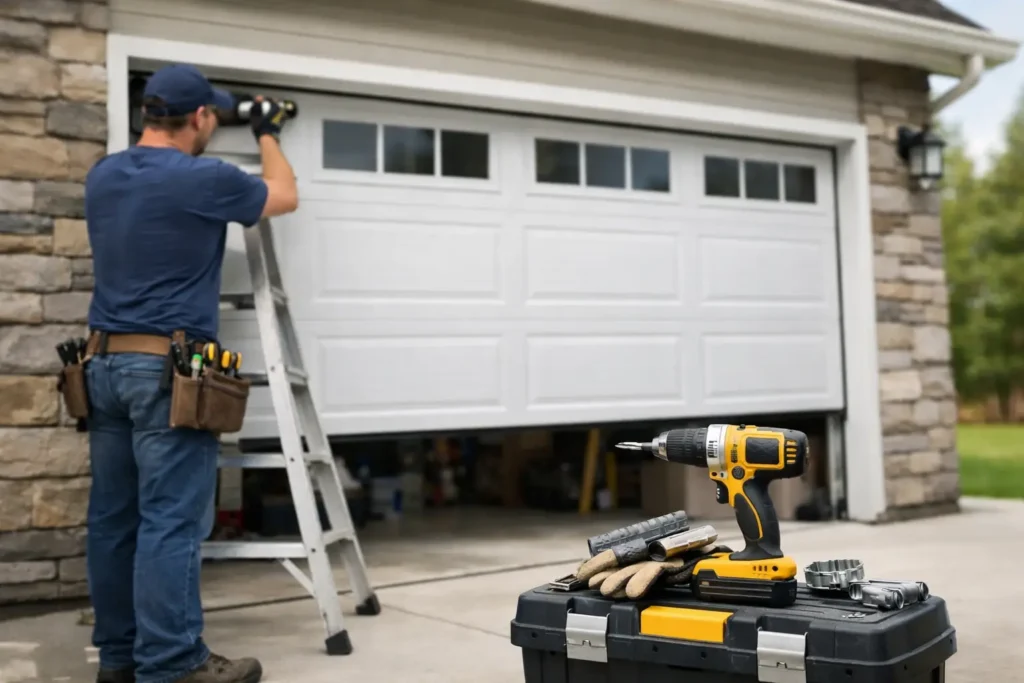
Professional installation is about more than convenience. It protects the warranty, helps ensure code and safety compliance, and gives the new system the best chance at a long service life. A trained crew will inspect framing, track alignment, spring sizing, opener settings, and sensor operation before the job is considered complete.
That matters because many garage door problems blamed on a “bad door” actually come from poor installation. Crooked tracks, mismatched springs, loose brackets, and improper reinforcement can lead to early wear, noisy operation, and unsafe movement. A quality installation avoids those issues from the start.
Questions worth asking before replacement
Homeowners do not need to know every mechanical detail, but asking the right questions can prevent headaches later.
Ask whether the existing opener is a good match for the new door. Ask whether the tracks, springs, and hardware will be replaced or reused, and why. Ask what kind of warranty coverage applies to both product and workmanship. Ask whether the door style and insulation level fit your actual use of the garage, not just the look of the house.
It is also smart to ask how the door will perform in local weather conditions. In areas like Wapakoneta and surrounding communities, winter reliability matters. A door that seals well, stays balanced, and handles seasonal expansion and contraction correctly will usually serve a homeowner better than one chosen on appearance alone.
Signs you should not wait much longer
If the door feels heavy, falls quickly, jerks during travel, reverses for no clear reason, or has visible structural damage, it is time for a professional inspection. The same is true if the opener strains, the springs are aging, or the door has become unreliable enough that you hesitate to use it.
Some homeowners wait because the door still technically works. That is understandable, but “still works” is not the same as safe, dependable, or worth keeping. A failing garage door often gives warning signs before it stops completely. Paying attention to those signs can help you avoid being stuck with a door that will not open when you need to leave or will not close when you need security.
Replacement should solve the problem, not just cover it up
A good garage door replacement guide should make one thing clear: the goal is not simply to install a newer-looking door. The goal is to give your home a system that operates safely, holds up to daily use, and fits the way you actually live.
That means taking the full condition of the door system seriously, weighing repair against replacement honestly, and choosing materials and components that make sense for your property. It also means working with experienced professionals who know what to look for and who treat garage door safety like it matters – because it does.
If your current door has become noisy, damaged, unreliable, or unsafe, do not wait for a complete failure to force the decision. The right replacement, installed correctly, can restore peace of mind every time you hit the wall button or pull into the driveway.